
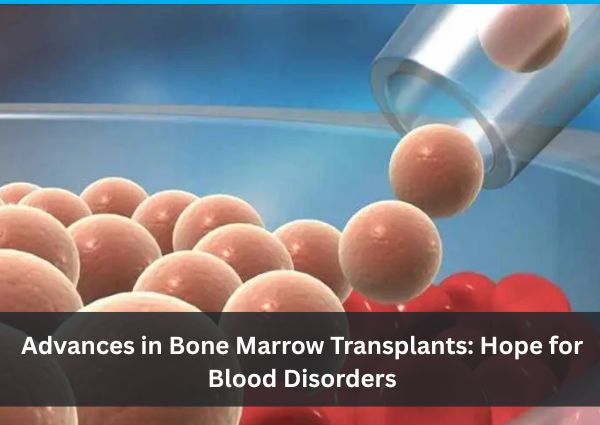
Bone marrow transplants have become one of the most important medical breakthroughs for treating serious blood disorders and certain types of cancer. This life-saving procedure replaces damaged or diseased bone marrow with healthy stem cells, allowing the body to produce new and healthy blood cells. Over the years, advancements in medical technology and research have significantly improved the success rates and safety of bone marrow transplants.
In 2026, new innovations in transplant techniques, donor matching, and post-transplant care are offering renewed hope to patients suffering from conditions such as leukemia, lymphoma, aplastic anemia, and other blood-related diseases. These advances are making bone marrow transplants more accessible, effective, and safer for many patients around the world.
Understanding Bone Marrow Transplants
What Is a Bone Marrow Transplant?
Bone marrow is a soft, spongy tissue found inside bones that produces blood cells, including red blood cells, white blood cells, and platelets. When bone marrow becomes damaged due to disease, infection, or cancer treatments, it may no longer produce healthy blood cells. A bone marrow transplant helps restore this function by introducing healthy stem cells into the patient’s body.
There are two main types of bone marrow transplants. An autologous transplant uses the patient’s own stem cells, which are collected before intensive treatments like chemotherapy. These cells are then reintroduced into the body after treatment. An allogeneic transplant, on the other hand, uses stem cells from a donor whose tissue type closely matches the patient’s.
Once the healthy stem cells are transplanted, they begin to grow and produce new blood cells, helping rebuild the immune system and improve overall health.
Conditions Treated with Bone Marrow Transplants
Bone marrow transplants are commonly used to treat various blood cancers such as leukemia, lymphoma, and multiple myeloma. They are also used to treat non-cancerous blood disorders like sickle cell anemia, thalassemia, and severe aplastic anemia.
For many patients, a transplant can provide a chance for long-term remission or even a complete cure. However, the procedure requires careful planning, donor compatibility testing, and specialized medical care.
Recent Advances Improving Transplant Success
Improved Donor Matching and Stem Cell Technology
One of the most significant advances in bone marrow transplantation is the improvement in donor matching techniques. Modern genetic testing and tissue typing methods allow doctors to identify more compatible donors, which reduces the risk of complications such as graft-versus-host disease.
In addition, advancements in stem cell collection and preservation have made the process more efficient. Peripheral blood stem cell transplants are now commonly used, where stem cells are collected from the bloodstream instead of directly from the bone marrow. This method is less invasive for donors and allows for faster recovery in many cases.
Researchers are also exploring the use of partially matched donors and umbilical cord blood stem cells. These options increase the chances of finding a suitable donor for patients who may not have a perfect match within their family.
Better Post-Transplant Care and Recovery
Another major development in bone marrow transplantation is improved post-transplant care. Doctors now have better ways to monitor patients and manage potential complications. Advanced medications and supportive therapies help control infections, strengthen the immune system, and support faster recovery.
Innovative treatments are also being developed to reduce the risk of transplant-related complications. For example, targeted therapies and immune-modulating treatments are helping patients recover more safely after the procedure.
With these advancements, survival rates and quality of life after bone marrow transplantation have improved significantly. Patients who previously had limited treatment options are now able to receive more effective care.
Conclusion
Advances in bone marrow transplant technology have transformed the treatment landscape for many serious blood disorders. Improved donor matching, advanced stem cell techniques, and better post-transplant care are helping patients achieve better outcomes and longer survival. As research continues to progress, bone marrow transplants will likely become even more effective and accessible in the future.
For patients seeking expert consultation and advanced treatment for blood disorders and cancer, Dr AV Cancer Institute provide best treatment and specialized care, offering modern medical solutions and compassionate support throughout the treatment journey.