
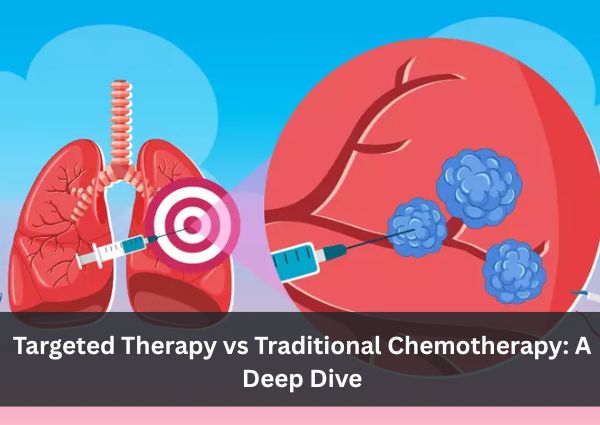
Cancer treatment has evolved significantly over the years. While traditional chemotherapy has long been one of the primary methods used to treat cancer, newer approaches such as targeted therapy are changing the way doctors fight the disease. Both treatments aim to destroy cancer cells and slow the progression of tumors, but they work in very different ways. Understanding the differences between targeted therapy and traditional chemotherapy can help patients make informed decisions about their treatment options.
Each treatment has its own advantages, limitations, and applications depending on the type of cancer, its stage, and the overall health of the patient. Modern oncology often combines multiple treatment methods to achieve the best possible results.
Understanding Traditional Chemotherapy
How Chemotherapy Works
Traditional chemotherapy uses powerful drugs to destroy rapidly dividing cells in the body. Since cancer cells grow and multiply faster than most normal cells, chemotherapy is effective at targeting these abnormal cells. The drugs circulate throughout the bloodstream and reach cancer cells in different parts of the body, making chemotherapy a systemic treatment.
Chemotherapy is commonly used for many types of cancers and can be given before surgery to shrink tumors, after surgery to destroy remaining cancer cells, or as the main treatment for cancers that have spread to other parts of the body.
Advantages and Limitations
One major advantage of chemotherapy is that it can treat cancers that have spread widely throughout the body. Because the drugs travel through the bloodstream, they can reach cancer cells that may not be visible through imaging tests.
However, chemotherapy also affects healthy cells that divide quickly, such as those in the hair follicles, digestive system, and bone marrow. This is why many patients experience side effects such as hair loss, nausea, fatigue, and weakened immunity. Although modern medications have helped reduce some of these side effects, they can still impact a patient’s quality of life during treatment.
Understanding Targeted Therapy
How Targeted Therapy Works
Targeted therapy is a more advanced cancer treatment designed to specifically attack cancer cells without causing significant damage to normal cells. Instead of targeting all rapidly dividing cells, targeted therapy focuses on specific molecules, genes, or proteins that help cancer cells grow and survive.
These treatments are developed based on detailed research about how certain cancers function at the molecular level. By blocking the signals that cancer cells use to grow and spread, targeted therapy can slow or stop tumor development.
Targeted therapy is often used for cancers such as breast cancer, lung cancer, colorectal cancer, and certain blood cancers. Doctors may perform genetic testing on a patient’s tumor to determine whether targeted therapy will be effective.
Benefits and Challenges
The biggest advantage of targeted therapy is its precision. Because the treatment focuses specifically on cancer-related molecules, it usually causes fewer side effects compared to chemotherapy. Patients may still experience symptoms such as fatigue, skin reactions, or digestive issues, but these effects are often less severe.
However, targeted therapy may not work for all types of cancer. It is only effective when a tumor contains the specific genetic or molecular targets that the drug is designed to attack. In some cases, cancer cells may also develop resistance to targeted drugs over time, which means treatment strategies may need to be adjusted.
Choosing the Right Treatment Approach
Personalized Cancer Treatment
In modern oncology, cancer treatment is becoming increasingly personalized. Doctors consider several factors when choosing between chemotherapy, targeted therapy, or a combination of both. These factors include the type and stage of cancer, the patient’s genetic profile, overall health, and previous treatments.
In many cases, targeted therapy is used alongside chemotherapy or other treatments such as immunotherapy and radiation therapy. This combined approach can improve treatment effectiveness and help achieve better outcomes for patients.
Conclusion
Both traditional chemotherapy and targeted therapy play important roles in modern cancer treatment. Chemotherapy remains a powerful tool for treating many types of cancers, especially those that have spread throughout the body. Targeted therapy, on the other hand, offers a more precise and personalized approach by focusing on the specific characteristics of cancer cells.
With ongoing medical advancements, doctors are now able to combine different treatment methods to provide more effective and patient-focused care. For individuals seeking advanced cancer treatment and expert medical guidance, Dr AV Cancer Institute provides the best treatment and specialized care, ensuring patients receive the most appropriate and modern therapies for their condition.