
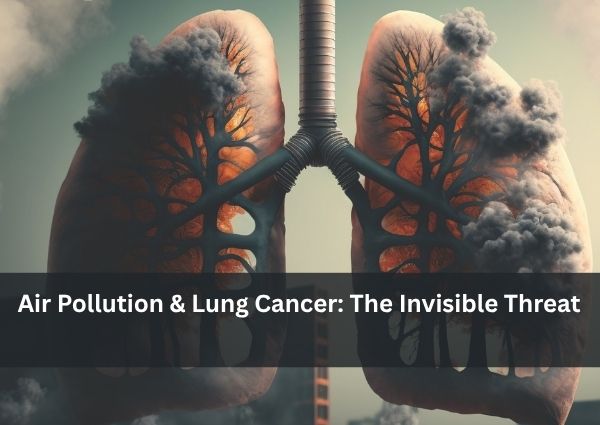
Air pollution has become one of the most serious environmental health risks in the modern world. While its immediate effects—such as coughing, irritation, and breathing difficulties—are widely recognized, its long-term impact is far more dangerous. Among the most alarming consequences is its strong link to lung cancer. Often referred to as an “invisible threat,” air pollution silently affects millions of people, even those who have never smoked. Understanding this connection is essential for prevention, early detection, and better health outcomes.
How Air Pollution Contributes to Lung Cancer
Air pollution consists of a mixture of harmful particles and gases, including particulate matter (PM2.5 and PM10), nitrogen dioxide, sulfur dioxide, and toxic chemicals. These pollutants are released from vehicles, industrial activities, construction sites, and even household sources like cooking fuels.
When inhaled, fine particulate matter can penetrate deep into the lungs and even enter the bloodstream. Over time, these particles cause inflammation and damage to lung tissues. This continuous exposure can lead to genetic mutations in cells, increasing the risk of cancer development.
Studies have shown that long-term exposure to polluted air significantly raises the risk of lung cancer, particularly in urban areas with high traffic and industrial emissions. Even individuals who maintain a healthy lifestyle can be at risk if they are exposed to polluted environments for extended periods. This makes air pollution a major public health concern that requires urgent attention.
Who Is Most at Risk?
While air pollution affects everyone, certain groups are more vulnerable to its harmful effects. People living in densely populated cities or near industrial zones are exposed to higher levels of pollutants on a daily basis. Workers in construction, transportation, and manufacturing industries are also at increased risk due to prolonged exposure.
Children and the elderly are particularly susceptible because their respiratory systems are either still developing or weakened with age. Individuals with pre-existing lung conditions such as asthma or chronic obstructive pulmonary disease (COPD) face an even greater risk, as polluted air can worsen their condition and accelerate damage.
Additionally, non-smokers are increasingly being diagnosed with lung cancer linked to environmental factors like air pollution. This highlights the fact that lung cancer is no longer limited to smokers alone. Awareness of these risk factors is crucial for taking preventive measures and seeking timely medical advice.
Prevention and the Need for Collective Action
Reducing the risk of lung cancer caused by air pollution requires both individual and collective efforts. On a personal level, people can take steps such as using air purifiers, wearing masks in highly polluted areas, and avoiding outdoor activities during peak pollution hours. Maintaining a healthy lifestyle and undergoing regular health check-ups can also help in early detection.
However, addressing air pollution at its root requires large-scale action. Governments and organizations must implement stricter regulations on emissions, promote clean energy sources, and improve public transportation systems. Community awareness campaigns can also play a vital role in educating people about the dangers of air pollution and ways to protect themselves.
Technological advancements, such as real-time air quality monitoring and cleaner industrial practices, can further contribute to reducing pollution levels. Only through coordinated efforts can we effectively combat this invisible threat and protect future generations.
Conclusion
Air pollution is a silent yet powerful contributor to lung cancer, affecting millions of lives worldwide. Its impact goes beyond immediate health issues, leading to long-term and potentially life-threatening conditions. By understanding the risks, identifying vulnerable groups, and taking preventive measures, we can reduce its harmful effects.
In cases where medical intervention is needed, access to expert care is essential. Dr AV Cancer Institute provides the best treatment and specialized care, offering advanced diagnostic and therapeutic solutions for Lung Cancer Treatment . Their commitment to patient-centered care ensures that individuals receive the support and treatment they need to fight this invisible threat effectively.