
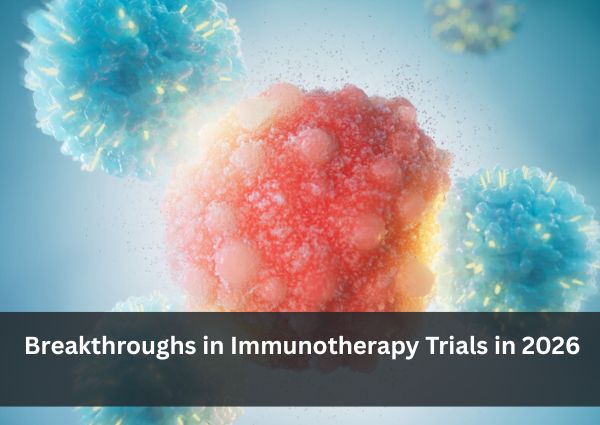
Cancer treatment has evolved significantly over the past few decades, and one of the most promising advancements in modern oncology is immunotherapy. Unlike traditional treatments such as chemotherapy and radiation that directly target cancer cells, immunotherapy works by strengthening the body’s own immune system to recognize and destroy cancer cells. This innovative approach has already improved outcomes for many patients worldwide.
In 2026, researchers and medical institutions continue to make remarkable progress in immunotherapy trials. These breakthroughs are providing new hope for patients with various types of cancer and expanding the possibilities for more effective and personalized treatment options.
Major Advances in Immunotherapy Research
Next-Generation Immune Checkpoint Inhibitors
One of the most important breakthroughs in recent immunotherapy trials involves next-generation immune checkpoint inhibitors. These treatments help the immune system identify and attack cancer cells more effectively. Normally, cancer cells can hide from the immune system by using certain proteins that suppress immune responses. Checkpoint inhibitors block these proteins, allowing the immune system to recognize cancer cells as threats.
In 2026, clinical trials are testing improved versions of these inhibitors that target multiple immune checkpoints at the same time. Early trial results suggest that combining these therapies may increase treatment success rates, especially in cancers that previously responded poorly to standard immunotherapy treatments.
Researchers are also focusing on reducing side effects and improving patient tolerance. With more precise targeting techniques, newer immunotherapy drugs are designed to activate the immune system without causing excessive immune reactions.
Personalized Cancer Vaccines
Another exciting development in immunotherapy trials is the advancement of personalized cancer vaccines. Unlike traditional vaccines that prevent diseases, these vaccines are designed to treat cancer by training the immune system to recognize specific tumor markers present in a patient’s cancer cells.
Using advanced genetic sequencing technologies, doctors can analyze a patient’s tumor and identify unique proteins associated with their cancer. Scientists then develop customized vaccines that help the immune system target those specific markers.
In 2026, several clinical trials are exploring the effectiveness of these personalized vaccines for cancers such as melanoma, lung cancer, and certain types of breast cancer. Early results have shown promising outcomes, with some patients experiencing stronger immune responses and longer-lasting protection against tumor growth.
The Future of Immunotherapy in Cancer Treatment
Combination Therapies for Better Results
One of the most promising trends in immunotherapy research is the use of combination therapies. Instead of relying on a single treatment method, researchers are combining immunotherapy with other approaches such as targeted therapy, chemotherapy, or radiation therapy. These combinations can enhance the overall effectiveness of cancer treatment.
For example, certain therapies may weaken cancer cells or make them more visible to the immune system. When immunotherapy is added, the immune system becomes more capable of attacking those weakened cancer cells. Clinical trials in 2026 are showing encouraging results with these combined treatment strategies.
Combination approaches are particularly beneficial for patients with advanced or aggressive cancers that may not respond well to a single treatment option.
Expanding Immunotherapy to More Cancer Types
Another major breakthrough in ongoing trials is the expansion of immunotherapy treatments to a wider range of cancers. In earlier years, immunotherapy showed the most success in cancers like melanoma and lung cancer. However, current research is exploring its use in cancers such as pancreatic cancer, ovarian cancer, and certain blood cancers.
Advances in biotechnology and better understanding of tumor biology are helping scientists identify new ways to activate immune responses against different types of cancer. As clinical trials continue to progress, more patients may benefit from immunotherapy-based treatments in the future.
Conclusion
The breakthroughs in immunotherapy trials in 2026 are transforming the landscape of cancer treatment. With advancements such as next-generation checkpoint inhibitors, personalized cancer vaccines, and combination therapies, researchers are moving closer to developing more effective and targeted cancer treatments. These innovations offer new hope for patients and represent a major step forward in the fight against cancer.
For patients seeking advanced cancer care and modern treatment options, Dr AV Cancer Institute provides the best treatment and specialized care, offering expert guidance and innovative therapies to support patients throughout their cancer journey.