
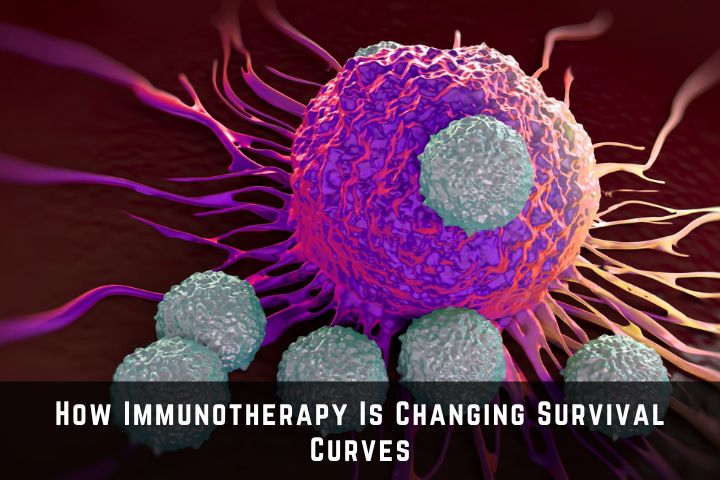
Immunotherapy has revolutionized cancer treatment by harnessing the body’s own immune system to fight cancer. Unlike traditional therapies that directly target tumors, immunotherapy strengthens immune responses, offering new hope to patients with cancers that were once difficult to treat. One of the most remarkable impacts of immunotherapy is its effect on survival curves, showing longer life expectancy and improved long-term outcomes for many patients.
Understanding Immunotherapy in Cancer Treatment
Immunotherapy works by stimulating or restoring the immune system’s ability to recognize and destroy cancer cells. Cancer often evades immune detection by suppressing immune responses or disguising itself as healthy tissue. Immunotherapy helps overcome these barriers, enabling immune cells to identify and attack malignant cells more effectively.
Why Survival Curves Matter in Oncology
Survival curves are graphical representations that show how long patients live after diagnosis or treatment. Traditionally, many cancer survival curves declined steeply over time, reflecting limited long-term survival. Immunotherapy has altered these patterns, flattening the curve for certain cancers and allowing a greater proportion of patients to live longer than expected.
The Shift From Short-Term Response to Long-Term Control
Conventional treatments often produce immediate tumor shrinkage but may not provide lasting control. Immunotherapy, however, can produce durable responses. In some patients, the immune system continues to suppress cancer growth even after treatment ends, leading to long-term remission and improved survival curves.
Breakthrough Results in Previously Hard-to-Treat Cancers
Immunotherapy has shown remarkable success in cancers such as melanoma, lung cancer, kidney cancer, and certain blood cancers. In these cases, survival curves now show a significant group of long-term survivors who experience sustained disease control. This has transformed expectations for patients who previously had limited treatment options.
The Concept of the “Tail” on the Survival Curve
One of the most significant changes introduced by immunotherapy is the appearance of a “tail” on survival curves. This tail represents patients who achieve long-lasting survival beyond what was once considered possible. Even though not all patients respond, those who do may experience years of disease control, reshaping how success is measured in cancer treatment.
Combining Immunotherapy With Other Treatments
Immunotherapy is increasingly being combined with chemotherapy, targeted therapy, or radiation to enhance effectiveness. These combinations can improve response rates and further shift survival curves upward. Personalized treatment strategies help maximize benefits while minimizing side effects.
Managing Side Effects and Monitoring Response
Although immunotherapy is generally better tolerated than traditional chemotherapy, it can cause immune-related side effects. Close monitoring allows doctors to manage these effects promptly while maintaining treatment effectiveness. Proper patient selection and ongoing evaluation are essential to achieving optimal outcomes.
The Role of Biomarkers in Predicting Survival
Biomarkers such as PD-L1 expression and genetic features help identify patients most likely to benefit from immunotherapy. Using biomarkers improves treatment precision and contributes to better survival outcomes, further refining survival curves.
The Future of Immunotherapy and Cancer Survival
Ongoing research continues to expand the use of immunotherapy across different cancer types and stages. As new agents, combinations, and biomarkers emerge, survival curves are expected to improve further. Immunotherapy represents a shift from treating cancer as a short-term battle to managing it as a long-term condition for many patients.
Immunotherapy has fundamentally changed cancer survival by offering durable responses and long-term remission for many patients. By reshaping survival curves and extending life expectancy, immunotherapy has become a cornerstone of modern oncology, bringing renewed hope to patients and families.
Dr.AV Cancer Institute provides the best services regarding immunotherapy, offering advanced treatment options, expert oncology care, and comprehensive support to improve patient survival and quality of life.