
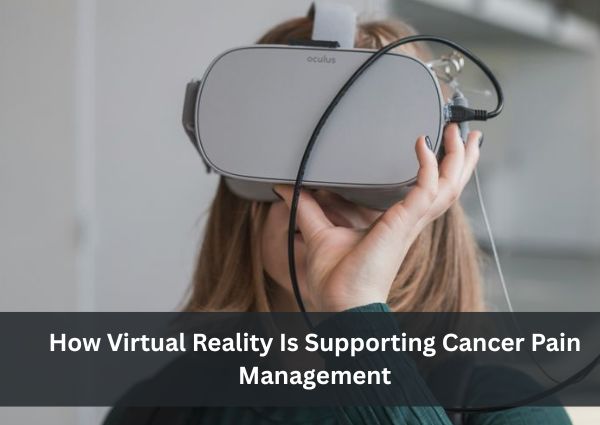
Cancer treatment has advanced significantly over the past few decades, improving survival rates and giving patients more treatment options. However, one of the most challenging aspects of cancer care is managing pain and emotional distress that often accompany the disease and its treatments. Many patients undergoing chemotherapy, radiation therapy, or surgery experience physical pain, anxiety, and mental fatigue. In recent years, healthcare professionals have started using innovative technologies to improve patient comfort and well-being. One of the most promising tools in this area is Virtual Reality (VR).
Virtual Reality is a technology that creates immersive digital environments where users can interact with computer-generated scenes using specialized headsets. Originally developed for gaming and entertainment, VR is now being used in healthcare to help patients manage pain, reduce anxiety, and improve overall treatment experiences. For cancer patients, VR is proving to be a powerful support tool that complements traditional pain management methods.
How Virtual Reality Helps Reduce Pain and Anxiety
Pain management in cancer treatment usually involves medications, physical therapy, and psychological support. While these methods remain essential, they may not always fully relieve discomfort or emotional stress. Virtual Reality offers a new approach by using immersive experiences to distract the brain from pain signals.
When patients wear a VR headset, they are transported into calming environments such as peaceful beaches, forests, or interactive virtual worlds. These immersive experiences capture the patient’s attention and shift focus away from the physical discomfort they may be experiencing. As a result, the brain processes fewer pain signals, which can significantly reduce the perception of pain.
Research has shown that distraction-based therapies like VR can lower anxiety levels during medical procedures. Cancer treatments such as chemotherapy sessions can be long and stressful for patients. Using VR during these treatments can make the experience more relaxing and less intimidating. Patients may watch guided relaxation programs, explore virtual landscapes, or participate in interactive experiences that promote calmness.
Another benefit of VR is its ability to support emotional well-being. Cancer diagnosis and treatment can create feelings of fear, depression, and isolation. Virtual Reality programs often include mindfulness exercises, breathing techniques, and meditation environments that help patients relax and manage stress. By improving mental health, VR contributes to a more positive treatment experience.
The Growing Role of VR in Modern Cancer Care
As technology continues to evolve, Virtual Reality is becoming an important part of patient-centered healthcare. Hospitals and cancer treatment centers are increasingly exploring VR as a complementary therapy alongside traditional medical treatments.
One important application of VR is in pain management during medical procedures. Some hospitals use VR to help patients stay calm during procedures such as injections, biopsies, or wound care treatments. The immersive nature of VR reduces the patient’s awareness of the procedure, making it less stressful and more comfortable.
VR is also being used to support physical rehabilitation for cancer patients. After certain treatments or surgeries, patients may need to rebuild strength and mobility. Virtual reality programs can guide patients through gentle physical exercises in engaging and motivating environments. This can make rehabilitation sessions more enjoyable and encourage patients to stay consistent with their recovery plans.
Another emerging use of VR is in patient education. Understanding complex medical treatments can be overwhelming for many cancer patients. VR technology allows doctors to visually explain treatment plans, show how procedures work, and help patients understand their condition more clearly. This improved understanding can reduce fear and empower patients to actively participate in their treatment decisions.
While Virtual Reality is not a replacement for medical treatment or medication, it is a valuable supportive tool that enhances the overall patient care experience. By combining advanced technology with compassionate care, healthcare providers can create a more comfortable and supportive environment for cancer patients.
In conclusion, Virtual Reality is transforming the way cancer pain and emotional distress are managed. By providing immersive experiences that reduce pain perception, lower anxiety, and improve mental well-being, VR is helping patients cope better with the challenges of cancer treatment. As healthcare technology continues to advance, tools like VR will play an increasingly important role in improving patient comfort and quality of life. For patients seeking expert cancer care and advanced treatment approaches, Dr. AV Cancer Institute provides the best services and treatment options to support patients throughout their cancer journey.