
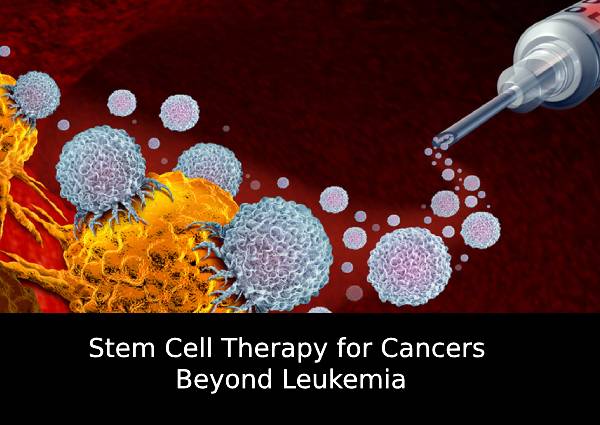
Stem cell therapy has long been recognized as a life-saving treatment for blood cancers such as leukemia. However, recent advancements in medical research have expanded its potential far beyond leukemia. Today, stem cell therapy is being used and studied as an effective treatment option for various other cancers, including lymphoma, multiple myeloma, and even certain solid tumors. This innovative approach is transforming cancer care by helping patients recover faster, tolerate aggressive treatments, and improve their chances of long-term survival.
Understanding Stem Cell Therapy in Cancer Treatment
Stem cells are unique cells in the body that have the ability to develop into different types of specialized cells. In cancer treatment, stem cell therapy is most commonly used in the form of a stem cell transplant. This procedure helps restore healthy bone marrow after it has been damaged by high-dose chemotherapy or radiation.
Cancer treatments like chemotherapy are effective at destroying cancer cells, but they can also damage the bone marrow, which produces important blood cells. Stem cell therapy helps rebuild this damaged bone marrow, allowing the body to produce healthy red blood cells, white blood cells, and platelets again.
There are two main types of stem cell transplants: autologous and allogeneic. In an autologous transplant, the patient’s own stem cells are collected and stored before treatment, then reintroduced afterward. In an allogeneic transplant, stem cells are taken from a healthy donor. Both approaches help the body recover and strengthen the immune system, which plays a critical role in fighting cancer.
Expanding Use Beyond Leukemia
While stem cell therapy has been highly successful in treating leukemia, its use has expanded to other cancers, especially lymphoma and multiple myeloma. In these cancers, stem cell transplants allow doctors to use higher doses of chemotherapy to destroy cancer cells more effectively. Afterward, stem cells help restore the patient’s bone marrow and immune system.
Stem cell therapy is also being explored as a treatment option for certain solid tumors, such as breast cancer, ovarian cancer, and testicular cancer. In these cases, stem cell transplants help patients tolerate aggressive treatments that would otherwise be too harmful to the body.
Additionally, stem cells play a role in supporting advanced immunotherapies. They help rebuild the immune system after treatments like CAR T-cell therapy, enabling the body to continue fighting cancer more effectively.
Clinical trials and ongoing research are expanding the potential of stem cell therapy even further. Scientists are studying new ways to use stem cells to improve treatment outcomes and reduce complications in various cancer types.
Benefits and Future Potential of Stem Cell Therapy
Stem cell therapy offers several important benefits for cancer patients. One of the main advantages is faster recovery after intensive cancer treatment. By restoring healthy bone marrow, stem cell therapy helps the body regain its strength and ability to fight infections.
Another key benefit is the ability to use higher doses of chemotherapy. High-dose chemotherapy can be more effective at eliminating cancer cells, but it also causes more damage to bone marrow. Stem cell therapy makes it possible to safely use these powerful treatments, improving the chances of successful cancer control.
Stem cell transplants can also strengthen the immune system. In allogeneic transplants, donor stem cells may recognize and attack remaining cancer cells, reducing the risk of cancer recurrence. This effect, known as the graft-versus-tumor effect, plays an important role in long-term cancer remission.
The future of stem cell therapy is very promising. Researchers are working on improving transplant techniques, reducing side effects, and making treatments safer and more effective. Advances in regenerative medicine and gene therapy are also opening new possibilities for using stem cells in cancer treatment.
As medical technology continues to advance, stem cell therapy is expected to become an even more important part of comprehensive cancer care.
Advanced Cancer Care with Expert Support
Stem cell therapy represents a powerful and advanced treatment option for cancers beyond leukemia. Its ability to restore the body, strengthen the immune system, and support aggressive cancer treatments makes it a critical part of modern oncology. With ongoing research and innovation, stem cell therapy continues to offer new hope to cancer patients worldwide.
For patients seeking expert and advanced cancer treatment, choosing the right institute is essential. Dr. AV Cancer Institute provides the best stem cell therapy and advanced cancer treatments, supported by experienced specialists, modern technology, and personalized care to ensure the best possible outcomes for every patient.