
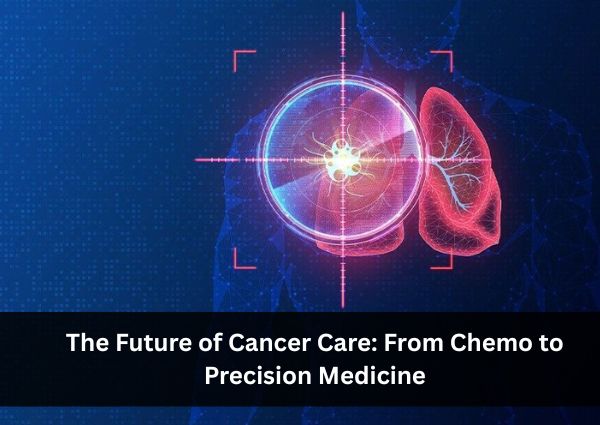
Cancer treatment has undergone a remarkable transformation over the past few decades. Traditional approaches such as chemotherapy and radiation therapy once dominated cancer care, often affecting healthy cells along with cancerous ones. Today, medical science is moving toward a more personalized, targeted approach known as precision medicine. This shift is changing how cancer is diagnosed, treated, and managed, offering patients more effective therapies with fewer side effects and improved outcomes.
The Evolution of Traditional Cancer Treatments
The Role of Chemotherapy in Cancer Care
Chemotherapy has long been a cornerstone of cancer treatment. It works by targeting rapidly dividing cells, which include cancer cells but also healthy cells in the hair follicles, digestive tract, and bone marrow. While chemotherapy has saved countless lives, its broad impact often leads to side effects such as fatigue, nausea, hair loss, and weakened immunity.
Radiation and Surgery: Essential but Limited
Radiation therapy and surgical interventions have also played critical roles in cancer management. Surgery aims to remove tumors, while radiation uses high-energy rays to destroy cancer cells. Although these methods can be highly effective, they may not always be suitable for advanced or metastatic cancers. This has driven the need for more precise and less invasive solutions.
The Rise of Precision Medicine in Cancer Care
What Is Precision Medicine?
Precision medicine focuses on tailoring treatment to the individual characteristics of each patient and their cancer. Instead of a one-size-fits-all approach, doctors analyze genetic, molecular, and cellular information to understand how a specific tumor behaves. This allows treatments to target cancer cells more accurately while sparing healthy tissue.
Targeted Therapies and Immunotherapy
Targeted therapies are designed to block specific molecules involved in cancer growth and progression. These treatments often result in fewer side effects compared to chemotherapy. Immunotherapy, another breakthrough, works by strengthening the body’s own immune system to recognize and attack cancer cells. These innovative therapies have shown promising results in cancers that were once difficult to treat.
Advanced Technologies Shaping the Future
Genetic Testing and Biomarker Analysis
Genetic testing plays a vital role in precision medicine. By identifying mutations and biomarkers within a tumor, doctors can predict how the cancer will respond to certain treatments. This information helps in selecting therapies that are more likely to succeed, reducing unnecessary trial-and-error treatments.
Artificial Intelligence and Data-Driven Care
Artificial intelligence is becoming an important tool in cancer care. AI-powered systems analyze vast amounts of medical data to assist in early detection, treatment planning, and outcome prediction. These technologies help clinicians make faster, more accurate decisions, further personalizing patient care.
Improved Patient Experience and Outcomes
Fewer Side Effects, Better Quality of Life
One of the greatest advantages of precision medicine is its focus on improving quality of life. By targeting cancer more accurately, patients experience fewer side effects and recover more quickly. This allows them to maintain daily routines and emotional well-being during treatment.
A Shift Toward Preventive and Predictive Care
The future of cancer care is not only about treatment but also prevention and early detection. Predictive analytics and regular screening based on individual risk factors help identify cancer at earlier, more treatable stages. This proactive approach significantly improves survival rates.
Final Thoughts
The future of cancer care is moving away from generalized treatments toward precision-driven, patient-centered approaches. From advanced genetic testing to targeted therapies and immunotherapy, modern cancer care offers new hope, better outcomes, and improved quality of life for patients.
For comprehensive cancer diagnosis and advanced treatment options, Dr. AV Cancer Institute provides the best Cancer treatment with cutting-edge technology, expert specialists, and compassionate care. Their commitment to precision medicine ensures that patients receive personalized treatment plans designed for the best possible outcomes.