
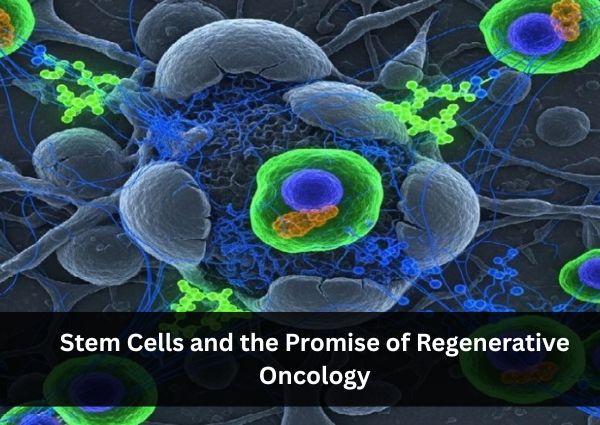
Regenerative oncology is emerging as one of the most exciting fields in modern cancer research. At its core is the use of stem cells—unique cells capable of renewing themselves and transforming into different cell types. For decades, cancer treatment has focused on removing or destroying cancer cells through surgery, chemotherapy, and radiation. While these treatments save lives, they often damage healthy tissue and can leave long-term side effects. Regenerative oncology aims to address these limitations by repairing, restoring, and regenerating tissues affected by cancer and its treatments. Stem cells hold tremendous potential in this transformation, offering hope for safer, more effective recovery and improved quality of life.
Understanding Stem Cells and Their Role in Cancer Recovery
Stem cells are powerful because they can differentiate into specialized cells such as muscle, nerve, or blood cells. They also have the ability to self-renew, making them valuable in repairing tissues damaged by cancer treatments. Radiation and chemotherapy, while effective at killing cancer cells, may also harm bone marrow, skin, and organ tissues. Stem cell therapy helps counter these effects by replenishing healthy cells and boosting the body’s natural healing process.
In regenerative oncology, hematopoietic stem cells (found in bone marrow) are commonly used to restore the blood and immune system in conditions such as leukemia and lymphoma. This allows patients to tolerate aggressive treatments while rebuilding healthy bone marrow afterward. Research is ongoing to explore how stem cells may also regenerate damaged heart tissue, repair nerves, improve lung function, and treat treatment-related infertility.
Although stem cells offer remarkable potential, scientists and clinicians are careful to ensure safety. Not all stem cells behave the same way, and improper use could cause unwanted growth or complications. Therefore, strict protocols and advanced technology guide every step of stem cell usage in oncology.
How Regenerative Oncology Is Transforming Future Cancer Care
Regenerative oncology aims to reshape the future of cancer treatment by shifting focus from merely eliminating cancer cells to restoring overall health and functionality. One promising area is the development of cancer vaccines using dendritic cells, which are specialized immune cells trained to recognize and attack cancer cells. Another emerging approach combines stem cells with gene editing tools like CRISPR to correct genetic defects or enhance the body’s immune response.
Stem cell-derived therapies may also one day prevent cancer recurrence. For example, engineered immune cells can be infused into the body to continue searching for and eliminating cancer cells long after treatment ends. This maintenance approach could help manage cancers that are prone to returning or spreading.
Additionally, regenerative oncology supports personalized medicine. Every patient’s cancer behaves differently, and stem cell-based therapies can be tailored to match individual genetic profiles. As research progresses, scientists hope to develop organ-specific regenerative treatments—for the lungs, liver, brain, and more—ensuring patients regain full function after aggressive cancer therapies.
Challenges and Ethical Considerations in Stem Cell-Based Oncology
While the potential is tremendous, regenerative oncology faces several challenges. Producing and storing stem cells requires sophisticated laboratories, advanced equipment, and highly trained specialists. This makes stem cell therapy expensive and limits its accessibility in many regions. Ensuring the long-term safety of these treatments is another major concern. Researchers must carefully study potential risks such as unwanted tissue growth, immune reactions, or genetic changes.
Ethical considerations also play an important role. Certain types of stem cells—particularly embryonic stem cells—have sparked debates worldwide. Fortunately, advancements in induced pluripotent stem cells (iPSCs), which are made from adult cells, offer an ethical alternative while retaining the same regenerative capabilities.
Regulatory bodies must also ensure that stem cell clinics operate responsibly. Some unregulated centers offer unproven treatments, putting patients at risk. Safe and effective regenerative oncology must always follow scientific evidence, clinical trials, and established medical guidelines.
In the coming years, improvements in technology, reduced costs, and stronger regulations will help make regenerative oncology more accessible and safer for patients globally.
Conclusion
Stem cells are reshaping the future of cancer care by offering new possibilities for healing, restoring function, and improving long-term outcomes. Regenerative oncology does more than target cancer—it focuses on rebuilding the body after treatment, reducing complications, and enhancing quality of life. While challenges remain, the progress being made is both inspiring and transformative.
Dr AV Cancer Institute provides the best treatment regarding this, offering advanced regenerative oncology options, expert medical teams, state-of-the-art technology, and personalized care to support patients through every stage of their cancer journey.