
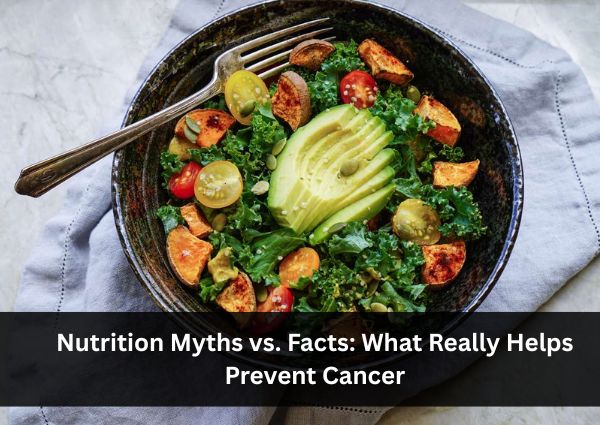
Cancer prevention is a topic surrounded by countless opinions, trending diets, and confusing claims—especially when it comes to nutrition. From miracle foods to extreme eating plans, misinformation can easily mislead people who genuinely want to protect their health. While nutrition alone cannot guarantee cancer prevention, scientific research clearly shows that certain dietary habits can significantly reduce risk. Understanding the difference between myths and facts is essential for making informed, healthy choices.
Common Nutrition Myths Related to Cancer
Myth 1: Superfoods Alone Can Prevent Cancer
Many believe that eating a single “superfood” like turmeric, blueberries, or broccoli can completely prevent cancer. While these foods contain beneficial antioxidants and nutrients, no single food can eliminate cancer risk. Cancer prevention depends on overall dietary patterns, lifestyle choices, genetics, and environmental factors—not one magic ingredient.
Myth 2: Sugar Directly Feeds Cancer Cells
A popular belief is that consuming sugar directly causes cancer to grow faster. While cancer cells do use glucose, so do all healthy cells in the body. Eliminating sugar entirely does not starve cancer. However, excessive intake of added sugars can lead to obesity, which is a proven risk factor for several cancers. Moderation is key.
Myth 3: Organic Food Completely Protects Against Cancer
Organic foods may reduce exposure to certain pesticides, but they do not offer complete protection against cancer. The nutritional value of organic and non-organic foods is often similar. What matters more is eating a variety of fruits, vegetables, whole grains, and lean proteins consistently.
Nutrition Facts That Truly Support Cancer Prevention
Fact 1: A Plant-Rich Diet Lowers Cancer Risk
Scientific evidence strongly supports diets rich in vegetables, fruits, legumes, and whole grains for reducing cancer risk. These foods provide fiber, antioxidants, vitamins, and phytochemicals that help reduce inflammation, improve immunity, and protect cells from damage.
Fact 2: Maintaining a Healthy Weight Is Crucial
Excess body weight is linked to cancers such as breast, colorectal, uterine, and pancreatic cancer. A balanced diet combined with regular physical activity helps maintain a healthy weight and supports hormonal balance, which plays a key role in cancer prevention.
Fact 3: Limiting Processed and Red Meat Matters
Research has shown that frequent consumption of processed meats like sausages, bacon, and smoked meats increases the risk of colorectal cancer. Reducing intake and choosing lean protein sources such as fish, poultry, beans, and lentils can lower this risk.
Fact 4: Alcohol Intake Increases Cancer Risk
Even moderate alcohol consumption has been linked to cancers of the breast, liver, mouth, throat, and esophagus. Limiting or avoiding alcohol altogether is one of the most effective dietary steps for cancer prevention.
Balanced Nutrition as Part of a Healthy Lifestyle
Fact 5: Nutrition Works Best with Lifestyle Changes
Nutrition alone is not enough. A healthy lifestyle that includes regular exercise, stress management, adequate sleep, and avoiding tobacco significantly enhances cancer prevention. Diet should be viewed as one important piece of a larger health puzzle.
Fact 6: Evidence-Based Guidance Is Essential
Following unverified diets or internet trends can do more harm than good. Personalized nutritional advice based on medical history, age, and risk factors is always more effective than generalized claims.
Final Thoughts
Separating nutrition myths from facts empowers individuals to make smarter, healthier decisions. Cancer prevention is not about restriction or fear—it’s about balance, consistency, and informed choices supported by science. While no diet can guarantee prevention, adopting evidence-based nutritional habits can significantly reduce risk and improve overall well-being.
For those seeking expert guidance, early diagnosis, and comprehensive cancer care, Dr. AV Cancer Institute provides the best Cancer treatment and support with a patient-focused, science-driven approach. Their commitment to advanced care, prevention, and education makes them a trusted name in cancer treatment and management.