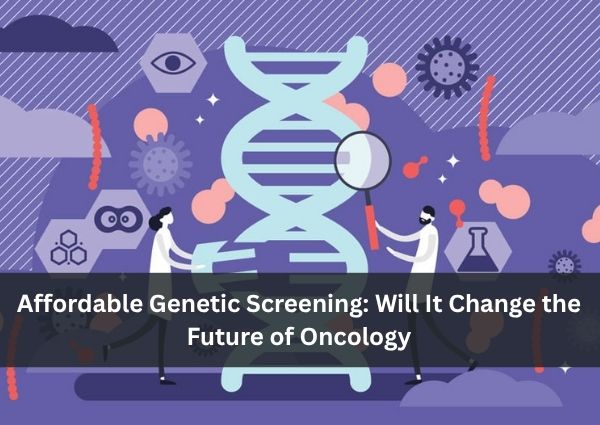
Genetic testing has emerged as a powerful tool in modern healthcare, especially in the field of preventive oncology. By identifying inherited genetic mutations that increase cancer risk, genetic testing allows individuals and doctors to take proactive steps long before cancer develops. This shift from reactive treatment to preventive care is transforming how cancer risk is […]

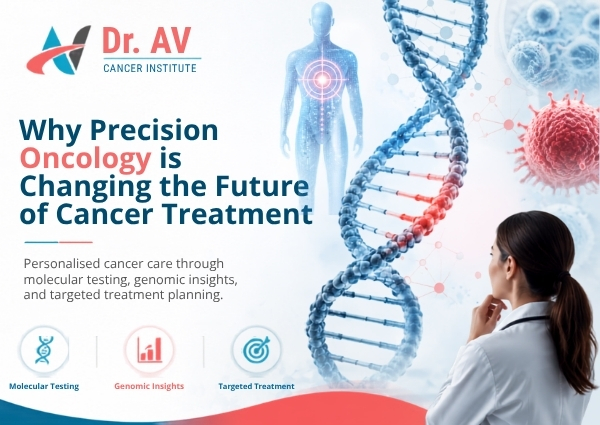
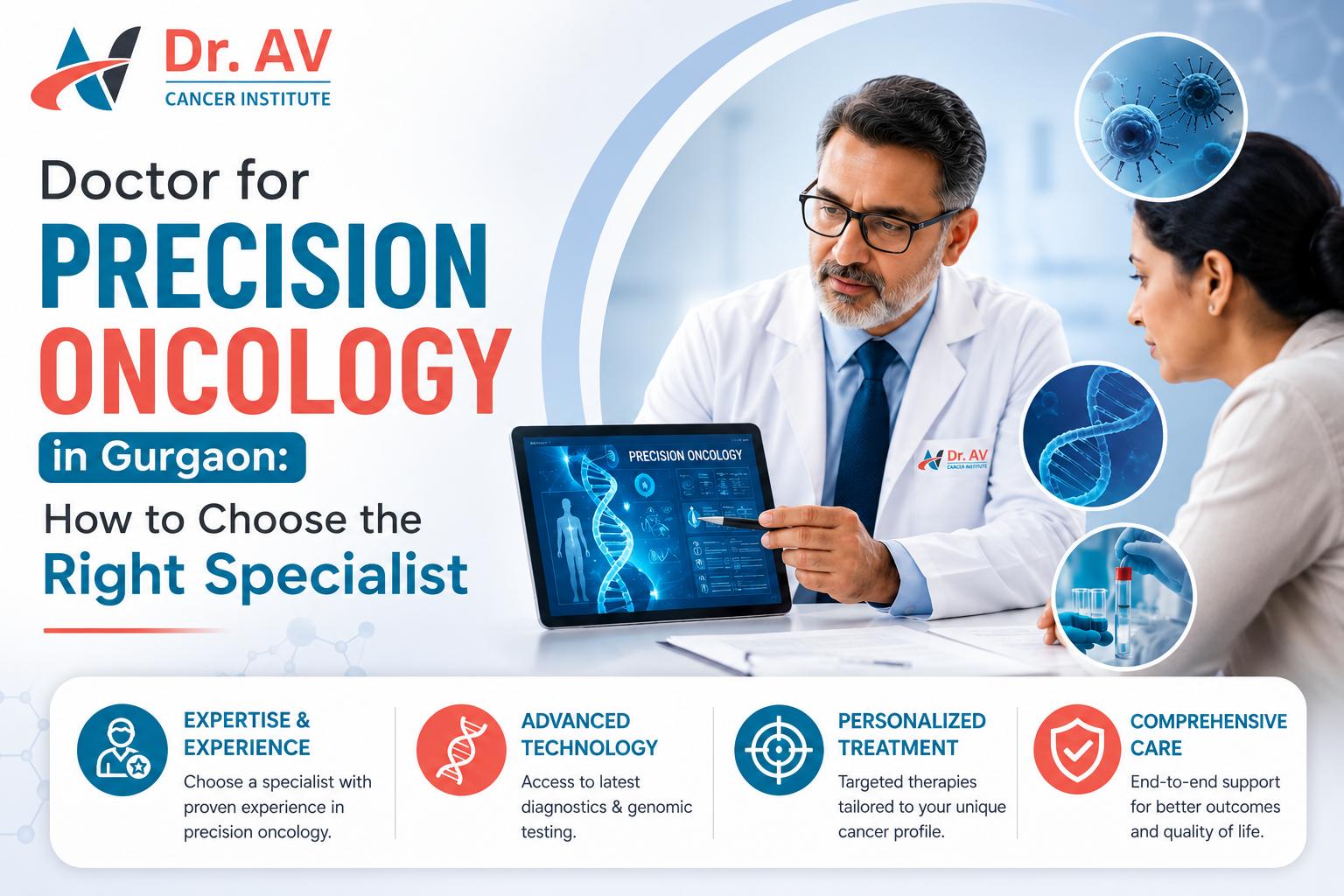
Precision oncology is transforming the way cancer is diagnosed and treated. Unlike traditional cancer treatments that target both healthy and cancerous cells, precision oncology focuses on the unique genetic and molecular profile of each patient’s cancer. This personalized approach allows doctors to deliver targeted cancer therapy that is more effective, less toxic, and tailored to […]

CAR T Cell Therapy is one of the most advanced and promising treatments in modern cancer care. It represents a personalized approach to immunotherapy, where a patient’s own immune cells are modified to recognize and destroy cancer cells. Understanding the journey through CAR T Cell Therapy can help patients and families feel informed, prepared, and […]

Despite remarkable advancements in cancer research and treatment, many misconceptions about the disease continue to circulate—fueling fear, confusion, and hesitation among patients. These myths often arise from misinformation spread through social media, outdated beliefs, or a lack of scientific understanding. Unfortunately, such misunderstandings can delay diagnosis, hinder treatment decisions, and affect emotional well-being. In today’s […]

Lung cancer remains one of the deadliest cancers worldwide, often diagnosed at advanced stages when treatment options are limited. Traditional diagnostic methods like tissue biopsies, though effective, are invasive, painful, and sometimes risky—especially for patients with poor lung function. In recent years, a revolutionary approach known as the liquid biopsy has transformed how doctors detect […]

Cancer is often perceived as a disease of chance, but in many cases, genetics plays a major role. Families with a history of certain cancers—such as breast, ovarian, prostate, or colorectal—may carry inherited gene mutations that significantly increase their risk. This is where genetic testing becomes a powerful tool for prevention, early detection, and personalized […]

Ethical Questions Around Stem Cell Therapy in Oncology Stem cell therapy has emerged as one of the most promising frontiers in cancer treatment. By harnessing the body’s natural ability to regenerate and repair, scientists are exploring how stem cells can target tumors, restore healthy tissue, and improve the effectiveness of existing therapies. From bone marrow […]

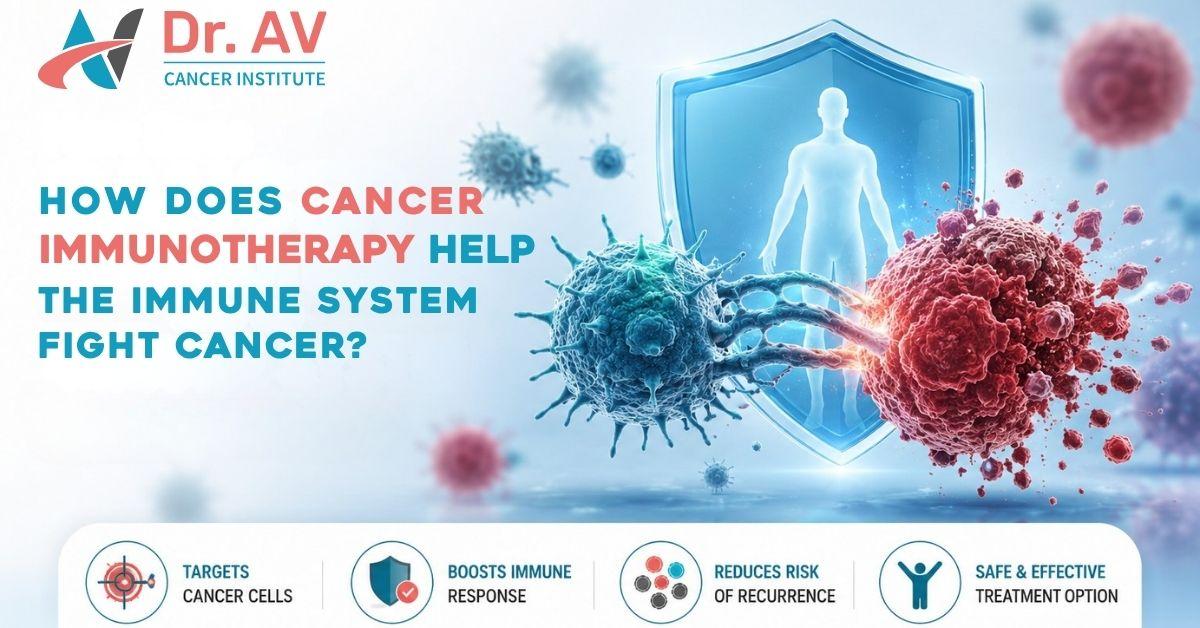
Immunotherapy has redefined the way the world approaches cancer treatment. Over the past decade, it has evolved from a last-resort option to a front-line therapy, offering renewed hope to millions of patients globally. By harnessing the body’s own immune system to detect and destroy cancer cells, immunotherapy has transformed outcomes for diseases once deemed incurable. […]

The fight against cancer has entered a new era — one driven by scientific breakthroughs, technology, and personalized care. Across the globe, medical researchers and oncologists are transforming the landscape of cancer treatment, moving away from one-size-fits-all approaches to therapies tailored to each patient’s unique biology. These global innovations are not just extending survival — […]

The Role of Hormone Therapy in Prostate Cancer Treatment Prostate cancer is one of the most common cancers among men worldwide, and while many cases are detected early and treated effectively, advanced or recurrent prostate cancer often requires a different approach. One of the most important and widely used strategies in such cases is hormone […]